

Teas to Avoid During Chemo: A 2026 Patient Guide
July 14, 2026
Teas to Avoid During Chemo: A 2026 Patient Guide
Certain teas to avoid during chemo include herbs like St. John’s Wort, high-dose green tea extracts, ginkgo, and ginseng. These are not harmless beverages when you are undergoing chemotherapy. They contain active compounds that alter how your body processes cancer drugs, raising toxicity or reducing treatment effectiveness. Oncology guidelines in 2026 advise caution or outright avoidance of specific herbs during treatment. The word “natural” does not mean safe. Before you reach for any herbal tea during chemotherapy, your oncology team needs to know. This guide gives you the science, the names, and the practical steps to protect your treatment.
Which herbal teas should you avoid during chemo?
Several herbal teas carry documented risks for patients undergoing chemotherapy. The risks fall into two categories: drug metabolism interference and increased bleeding risk. Knowing which herbs cause which problem helps you make informed decisions with your care team.
Teas and herbs that interfere with drug metabolism:
- St. John’s Wort is the most dangerous herb for chemotherapy patients. It activates liver enzymes that break down cancer drugs too quickly, drastically reducing drug efficacy. Lower drug levels in your blood mean your treatment may not work as intended.
- High-dose green tea extracts interfere with drugs like bortezomib and may harm liver function. Brewed green tea is generally considered safe, but concentrated capsules or powders are not.
- Turmeric and ginger in high doses can affect clotting and drug metabolism. Food-grade amounts in cooking or a cup of brewed ginger tea are far less risky than supplements or concentrated teas.
Teas and herbs that increase bleeding risk:
- Garlic, ginkgo, and ginseng increase bleeding risk significantly, especially when your platelet counts are already low from chemotherapy. Bleeding complications during chemo can be life-threatening.
- Senna-based detox teas cause dehydration, electrolyte imbalance, and liver and kidney stress during treatment. Long-term senna use causes stomach pain, diarrhea, and potential organ damage. Your kidneys and liver are already working hard to process chemotherapy drugs.
Detox teas and immune-boosting teas marketed as “cleansing” products deserve special skepticism. Many lack scientific evidence and may cause toxicity rather than protection during chemotherapy. Marketing claims are not clinical evidence.
What is the difference between brewed teas and concentrated extracts?
The form of the tea matters as much as the herb itself. This distinction saves patients from unnecessary restriction and unnecessary risk at the same time.
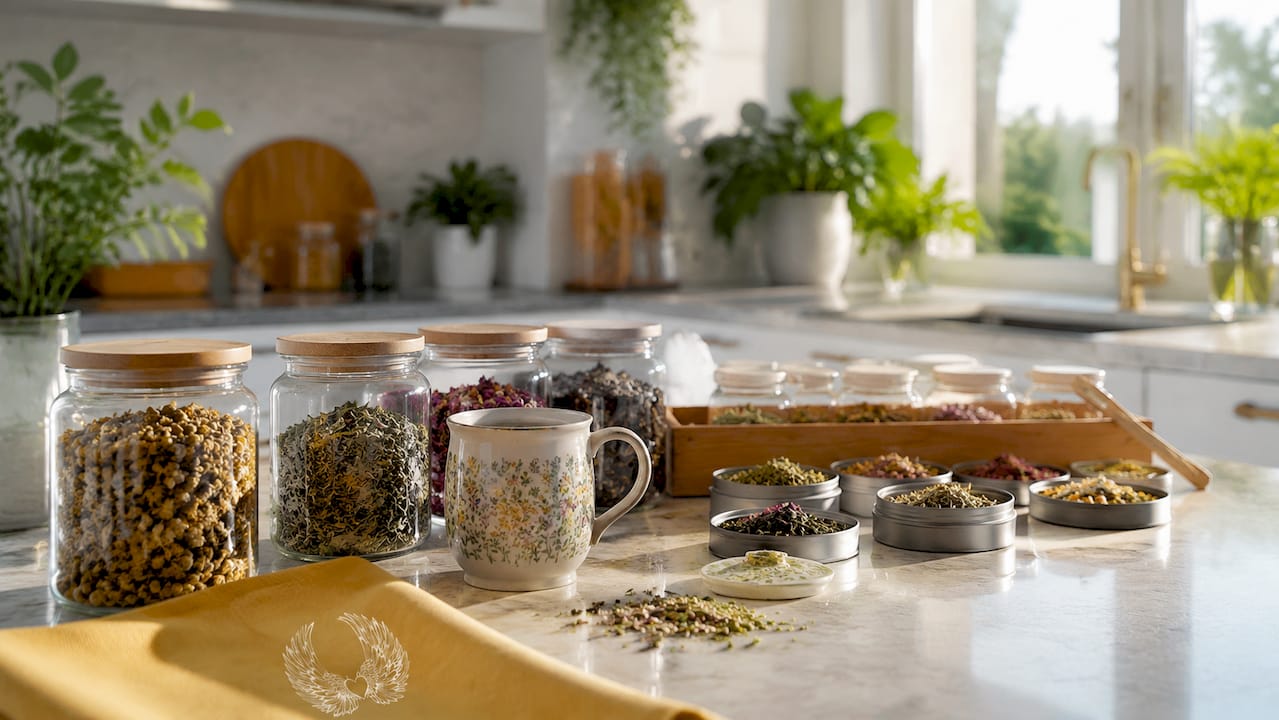
Routine consumption of brewed green, black, or mild herbal teas is generally classified as food-grade intake. The active compounds in a brewed cup are present in amounts your body handles without significant drug interaction. Concentrated extracts in capsule or powder form contain dramatically higher levels of those same compounds. That difference in dose is the difference between safe and dangerous.
Green tea is the clearest example. A cup of brewed green tea contains modest amounts of EGCG, the antioxidant compound linked to drug interference. A green tea extract capsule can deliver the equivalent of dozens of cups in a single dose. High-dose extracts may interfere with chemotherapy drugs and harm liver function. The brewed version does not carry the same documented risk.
Timing also matters for antioxidant-containing teas. Chemotherapy kills cancer cells through oxidative stress. High-dose antioxidant teas consumed within 48 hours before and after a chemotherapy infusion may reduce that oxidative effect, inadvertently protecting cancer cells. This is why oncologists often recommend avoiding antioxidant-heavy teas around infusion days, even when those teas are otherwise tolerated.
Pro Tip: Ask your oncologist specifically about the 48-hour window around your infusion days. Many patients receive general advice about teas but miss the timing detail that matters most for treatment efficacy.
How do certain teas affect chemotherapy drug metabolism?
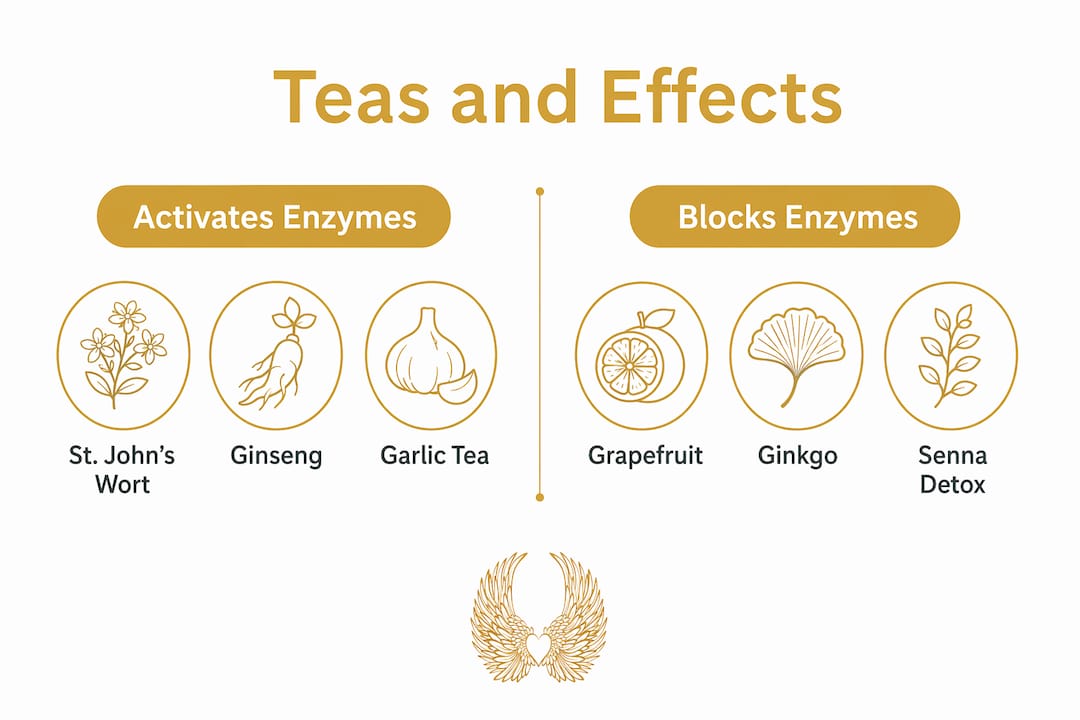
The biochemical mechanism behind tea-drug interactions centers on a family of liver enzymes called CYP450. These enzymes process most chemotherapy drugs. When an herb activates or blocks these enzymes, it changes how much active drug reaches your bloodstream.
St. John’s Wort activates CYP450 enzymes, causing your liver to break down chemotherapy drugs faster than intended. The result is lower drug concentration in your blood, which reduces treatment effectiveness. This is not a theoretical risk. Oncologists treat it as a firm contraindication.
Grapefruit works in the opposite direction. It blocks CYP enzymes, causing drug levels to rise above the intended therapeutic range. That raises toxicity risk. The enzyme-blocking effects of grapefruit last more than 48 hours, which is why spacing out doses does not solve the problem. Complete avoidance during chemotherapy is the standard recommendation. Teas blended with grapefruit or bitter orange carry the same concern.
The table below summarizes the primary mechanisms for the most commonly consumed herbal teas that can worsen chemo effects.
| Herb or Tea | Mechanism | Primary Risk |
|---|---|---|
| St. John’s Wort | Activates CYP450 enzymes | Reduced drug efficacy |
| High-dose green tea extract | Inhibits drug targets, liver stress | Drug interference, liver damage |
| Grapefruit-based teas | Blocks CYP enzymes | Increased drug toxicity |
| Garlic, ginkgo, ginseng | Antiplatelet and anticoagulant effects | Bleeding risk |
| Senna (detox teas) | Laxative and diuretic effects | Dehydration, organ stress |
| Turmeric (high dose) | Affects clotting pathways | Bleeding, drug metabolism changes |
Your liver and kidneys are the organs that process chemotherapy drugs. Any herb that stresses these organs adds a burden your body cannot afford during treatment. Senna teas are a particular concern because patients often use them to manage chemotherapy-related constipation without realizing the organ strain they cause.
What are safe teas and best practices during chemotherapy?
Not every herbal tea is off the table. Several mild, brewed teas are well tolerated during chemotherapy and may even support comfort and symptom relief.
Teas generally considered safe in moderate amounts:
- Chamomile tea improves sleep quality and is well tolerated during chemotherapy. A 2026 clinical trial confirmed chamomile benefits for sleep without adverse effects, though its impact on chemo-related neuropathy was limited.
- Peppermint tea is widely used for nausea and digestive discomfort. Brewed peppermint in moderate amounts does not carry documented drug interaction risks at food-grade doses.
- Ginger tea in small amounts may ease nausea. The key word is “small.” High-dose ginger supplements are a different matter entirely and fall into the caution category.
Practices that protect you during treatment:
- Tell your oncology team about every tea, supplement, and herbal product you consume. Many patients do not fully disclose herbal product use, which puts them at risk for dangerous interactions. Your oncologist cannot protect you from risks they do not know about.
- Avoid all detox, weight-loss, and cleansing teas. These products often contain senna, cascara, or other laxative herbs that cause dehydration and electrolyte loss during a period when your body needs stability.
- Prioritize hydration with plain water, mild broths, and oncologist-approved beverages. Hydration supports kidney function, which directly affects how your body clears chemotherapy drugs.
- Read ingredient labels on every tea bag. Blended teas often contain multiple herbs, and a “relaxation blend” may include valerian, kava, or passionflower alongside safer herbs.
The safest guideline is to avoid all concentrated herbal supplements without direct oncologist approval. Small amounts of brewed teas commonly classify as food and carry lower risk. That distinction gives you a practical starting point for every conversation with your care team.
Pro Tip: Bring the actual tea box or a photo of the ingredient label to your next oncology appointment. Generic tea names like “wellness blend” or “detox tea” tell your doctor nothing. The ingredient list tells them everything.
Key Takeaways
The most critical rule for tea consumption during chemotherapy is this: brewed, mild teas in moderate amounts are generally safe, but concentrated herbal extracts and detox teas pose real risks that can reduce treatment effectiveness or cause serious harm.
| Point | Details |
|---|---|
| St. John’s Wort is a firm contraindication | It activates liver enzymes that reduce chemotherapy drug levels in the blood. |
| Extracts are not the same as brewed tea | Concentrated capsules carry far higher active compound levels and documented drug interaction risks. |
| Timing around infusion days matters | Avoid high-dose antioxidant teas within 48 hours before and after chemotherapy infusions. |
| Detox teas cause organ stress | Senna-based teas cause dehydration and kidney and liver strain during treatment. |
| Disclosure to your oncologist is non-negotiable | Patients who hide herbal product use face preventable, life-threatening herb-drug interactions. |
What we have learned from watching patients navigate this
We have seen this scenario more times than we can count. A patient is doing everything right. They are showing up for every infusion, following every protocol, and fighting with everything they have. Then a well-meaning family member brings a “healing” herbal tea blend, and no one thinks to mention it to the oncologist.
The hard truth is that most patients underestimate the risks of herbal teas without supervision. We do not say that to frighten you. We say it because you deserve to know. The word “natural” carries enormous emotional weight, especially when you are fighting cancer. It feels like hope in a cup. We understand that completely.
What we have learned is that small amounts of brewed chamomile, peppermint, or plain ginger tea are almost always fine. The danger lives in the extracts, the supplements, the detox blends, and the products that promise more than a warm, comforting drink. Marketing claims are not clinical evidence. Your oncologist’s guidance is.
Be honest with your care team. Every tea, every supplement, every “immune booster” you consume belongs in that conversation. Individualized assessment is the only approach that works. No article, no matter how thorough, replaces the knowledge your oncologist has about your specific drugs, your specific body, and your specific treatment plan.
— HCRF
HCRF is here to support your fight
Cancer treatment is one of the hardest roads a person can walk. You should not have to navigate questions about chemotherapy safety alone.
The Hippocratic Cancer Research Foundation (HCRF) is a 501©(3) nonprofit that supports groundbreaking cancer research at the Robert H. Lurie Comprehensive Cancer Center of Northwestern University. We believe every patient deserves access to evidence-based information, not marketing myths. Whether you have questions about supplement safety, chemotherapy interactions, or integrative care options, our resources are built with you in mind. Visit the Hippocratic Cancer Research Foundation to connect with expert-reviewed guidance and a community that stands behind every patient, every step of the way. YOU ARE NOT ALONE IN THIS FIGHT. We are with you.
FAQ
Which teas are contraindicated for cancer patients on chemo?
St. John’s Wort, high-dose green tea extracts, ginkgo, ginseng, garlic-based teas, and senna detox teas are contraindicated for most chemotherapy patients due to drug interaction and bleeding risks.
Is green tea safe to drink during chemotherapy?
Brewed green tea in moderate amounts is generally considered safe. Concentrated green tea extracts in capsule or powder form are not safe and may interfere with chemotherapy drugs like bortezomib.
How soon before chemo should I stop drinking herbal teas?
Oncologists recommend avoiding high-dose antioxidant teas at least 48 hours before and after a chemotherapy infusion to preserve the oxidative mechanism that kills cancer cells.
Can chamomile tea help with chemotherapy side effects?
A 2026 clinical trial found chamomile tea improves sleep quality and is well tolerated during chemotherapy, though its effect on chemo-related neuropathy was limited. Always confirm with your oncologist before adding it to your routine.
Why does it matter if I tell my oncologist about herbal teas?
Many patients do not fully disclose herbal product use, which creates risk for dangerous herb-drug interactions. Your oncologist needs a complete picture of everything you consume to keep your treatment safe and effective.
Recommended

Unlock funding for your nonprofit with volunteer grant programs. Learn how to maximize support from corporate and capacity-building grants.
Read More →The Hippocratic Cancer Research Foundation's 8th Annual Gala at Navy Pier, which took place on November 11th, 2023, within the illustrious Aon Ballroom, illuminated the night as an extraordinary occasion of philanthropy, elegance, and continued hope.
Read More →