


Pancreatic Cancer Clinical Trials: Immunotherapy Guide
July 16, 2026
Pancreatic Cancer Clinical Trials: Immunotherapy Guide

Pancreatic cancer clinical trials involving immunotherapy are defined as structured research studies that test immune-based treatments designed to help the body’s own defenses attack pancreatic tumors. These trials represent one of the most active frontiers in oncology today, driven by the urgent need for better options beyond standard chemotherapy. Pancreatic cancer carries one of the lowest five-year survival rates of any major cancer, which makes every new trial result meaningful. For patients and families, understanding how these trials work, who qualifies, and what to expect is the first step toward accessing potentially life-changing care.
What immunotherapy approaches are being tested in pancreatic cancer clinical trials?
Pancreatic cancer immunotherapy clinical trials test several distinct strategies, each targeting the disease from a different angle. The four most active categories right now are immune checkpoint inhibitors, CAR-T and CAR-NK cell therapies, cancer vaccines, and combination regimens that pair immune agents with chemotherapy or radiation.
Immune checkpoint inhibitors block proteins that cancer cells use to hide from the immune system. Drugs like nivolumab and ipilimumab fall into this class. Alone, they have shown limited results in pancreatic cancer because the tumor creates a heavily shielded environment. Researchers are now pairing them with other agents to break through that shield.

CAR-T and CAR-NK cell therapies take immune cells from a patient, engineer them in a lab to recognize specific proteins on tumor cells, and infuse them back. CAR-NK cell therapy combined with oral Belzutifan 120 mg daily is currently in a Phase I/II study for locally advanced and metastatic pancreatic cancer. This approach is notable because NK cells carry a lower risk of severe inflammatory reactions than T cells.
Cancer vaccines represent a newer and deeply personal approach. The mKRAS-VAX pooled peptide vaccine targets the most common KRAS mutations, including G12D, G12V, G12R, and G12C, combined with nivolumab and ipilimumab. A Phase I trial showed robust CD4 and CD8 T cell responses in resected pancreatic cancer patients. Targeting KRAS marks a shift toward therapies built around each patient’s specific tumor biology.
Combination regimens are the most clinically advanced category. A Phase III trial combining Serplulimab with Gemcitabine, nab-Paclitaxel, and stereotactic body radiotherapy (SBRT) enrolled 198 patients and achieved a 6-month progression-free survival rate of 78.48% in advanced pancreatic cancer. That result is among the strongest reported for this disease stage.
Pro Tip: Ask your oncologist specifically whether you have a KRAS mutation documented in your pathology report. Many new trials, including vaccine trials, require this information for eligibility screening.
Who is eligible to participate in pancreatic cancer immunotherapy trials?
Eligibility criteria define exactly who can join a given trial. They exist to protect patients and to produce reliable data. Understanding these rules helps you and your family have a focused conversation with your care team.
Common eligibility factors include:
- Disease stage. Most immunotherapy trials target either locally advanced or metastatic pancreatic cancer, or patients who have had surgical resection. Trials rarely mix both groups because the biology and treatment goals differ.
- Prior treatment history. Many trials require that patients have received no prior systemic therapy for advanced disease. Some allow prior localized treatments if disease progression occurred within six months of that therapy.
- KRAS mutation status. Vaccine trials and several combination trials require confirmed KRAS mutation testing. If your tumor has not been tested, request molecular profiling before approaching a trial coordinator.
- Performance status. Most trials use the ECOG scale and require a score of 0 or 1, meaning you are fully active or restricted only in strenuous activity. Patients with significant functional decline may not qualify.
- Organ function. Adequate liver, kidney, and bone marrow function are standard requirements. Blood tests within a defined window before enrollment confirm these values.
Exclusion criteria are equally important. Active autoimmune diseases, certain infections, and prior immune-related adverse events from checkpoint inhibitors often disqualify patients. Some trials also exclude patients with brain metastases.
Pro Tip: Bring a printed copy of your most recent pathology report, imaging results, and a list of all prior treatments to your first conversation with a trial coordinator. This speeds up the eligibility review significantly.
What are the benefits and challenges of immunotherapy trials in pancreatic cancer?
The potential benefits are real, and so are the challenges. Patients and families deserve a clear picture of both before making any decision.
Potential benefits include:
- Access to therapies not yet available outside a trial setting
- Improved progression-free survival in combination regimens, as seen in the Serplulimab plus SBRT trial
- Immune activation that may create durable responses, not just short-term tumor shrinkage
- Patient-reported outcomes, including quality of life and symptom burden, are now standard exploratory endpoints in modern trials, meaning your experience matters to the research
Pancreatic tumors are classified as “cold tumors,” meaning they actively suppress immune activity. SBRT and certain vaccines work by inducing immunogenic cell death, which converts cold tumors into “hot” ones where T cells can infiltrate and attack. This is why combination strategies are outperforming single-agent immunotherapy in current trials.
“Immune-related adverse events are a real consideration. Grade 1–2 reactions such as fatigue, myalgias, and rash are common. Grade 3 events, including pneumonitis and adrenal insufficiency, occurred in approximately 16.7% of patients in certain vaccine trials. Most are manageable with corticosteroids, but some require stopping treatment.”
Trial participation also involves practical demands. Patients may need inpatient stays for lymphodepleting therapy before cell infusions, followed by outpatient maintenance phases. Travel to specialized cancer centers, frequent monitoring visits, and the emotional weight of uncertainty are real factors. Oncology social workers can help patients and families navigate these logistical and emotional challenges during trial participation.
How to find and enroll in pancreatic cancer immunotherapy trials?
Finding the right trial takes focused effort, but the path is clearer than many patients realize. Here is how to approach it:
- Start at ClinicalTrials.gov. This is the official U.S. registry for all federally regulated trials. Search using terms like “pancreatic cancer immunotherapy” and filter by phase, location, and recruitment status.
- Contact comprehensive cancer centers. Academic medical centers affiliated with the National Cancer Institute often run the most advanced trials and have dedicated trial coordinators who can assess your eligibility quickly.
- Work with nonprofit organizations. Groups like the Hippocratic Cancer Research Foundation support access to research and can connect patients with resources at institutions like the Robert H. Lurie Comprehensive Cancer Center of Northwestern University.
- Talk to your oncologist first. Your current care team has access to trial databases and professional networks that are not publicly visible. They can also flag trials that match your specific tumor profile.
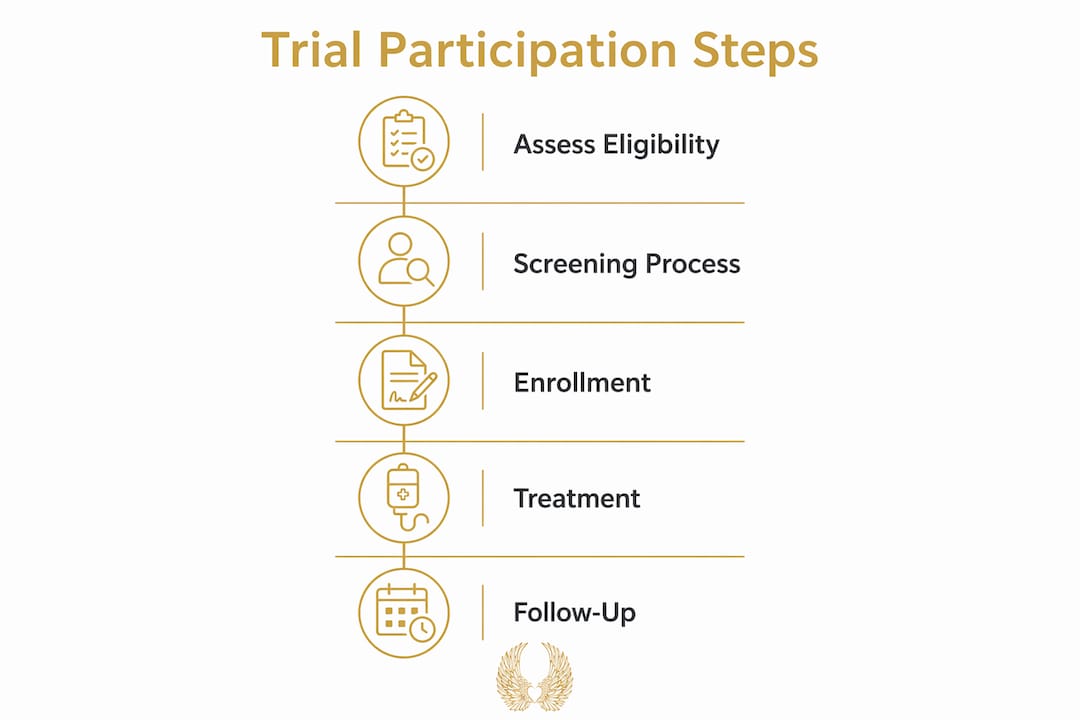
- Prepare for the screening process. Once you express interest in a trial, the team will review your records, run additional tests, and walk you through the informed consent document. This document explains every procedure, risk, and right you have as a participant.
Enrollment is not automatic. Screening can take two to four weeks. During that time, your care team continues your current treatment plan unless the trial protocol requires a washout period.
What recent advances are shaping the future of pancreatic cancer immunotherapy?
The pace of progress in this field has accelerated meaningfully. Several results from 2025 and 2026 trials are reshaping how researchers and oncologists think about this disease.
| Trial or Therapy | Approach | Key Result |
|---|---|---|
| Serplulimab + Gemcitabine + nab-Paclitaxel + SBRT | Checkpoint inhibitor + chemo + radiation | 78.48% 6-month progression-free survival in 198 patients |
| mKRAS-VAX + nivolumab + ipilimumab | Personalized KRAS vaccine + dual checkpoint blockade | Robust CD4 and CD8 T cell responses in resected patients |
| CAR27/IL-15 NK cells + Belzutifan | Engineered NK cell therapy + oral HIF-2α inhibitor | Phase I/II safety and efficacy study ongoing |
| NLM-001 + Botensilimab + Balstilimab + chemotherapy | Multi-drug immune combination | Phase II enrollment underway for advanced disease |
The Serplulimab trial result stands out because it combines three distinct mechanisms: chemotherapy kills tumor cells directly, SBRT primes the immune environment, and the checkpoint inhibitor sustains the immune attack. Combination regimens are now the dominant design philosophy in pancreatic cancer immunotherapy research.
The mKRAS-VAX vaccine is equally significant. Targeting the KRAS oncogene through a personalized vaccine marks a shift toward therapies built around each patient’s tumor genetics rather than a one-size-fits-all drug. This is the direction the field is moving.
Modern trials also measure quality of life alongside survival. Patient-centered outcomes are now standard exploratory endpoints, reflecting a broader understanding that living well during treatment matters as much as living longer.
Pro Tip: When reviewing a trial’s eligibility criteria, look specifically at the “prior therapy” section. Some of the most promising combination trials accept patients who have had prior localized radiation but not prior systemic chemotherapy for advanced disease.
Key takeaways
Immunotherapy clinical trials for pancreatic cancer now offer patients access to combination regimens, personalized vaccines, and engineered cell therapies that standard care cannot provide.
| Point | Details |
|---|---|
| Combination regimens lead results | Serplulimab plus chemotherapy and SBRT achieved 78.48% 6-month progression-free survival in advanced disease. |
| KRAS testing is critical | Many vaccine and combination trials require confirmed KRAS mutation status before eligibility screening begins. |
| Eligibility rules vary widely | Prior treatment history, disease stage, and performance status all determine which trials a patient can join. |
| Cold tumor barriers are solvable | SBRT and vaccines convert immunosuppressive tumors into environments where T cells can attack effectively. |
| Quality of life is measured | Modern trials track patient-reported symptoms and wellbeing alongside clinical survival endpoints. |
Our perspective on immunotherapy trials and the road ahead
We at the Hippocratic Cancer Research Foundation have watched this field change faster in the past two years than in the previous decade. What strikes us most is not just the science. It is the courage of patients who say yes to a trial when the outcome is uncertain.
Pancreatic cancer has long been called one of the most resistant diseases in oncology. That reputation is being challenged right now, trial by trial, patient by patient. The Serplulimab results, the mKRAS-VAX data, the CAR-NK work — none of this happens without people willing to participate. We carry that truth with us every day.
We also believe the field must do better on access. The most promising trials are concentrated at large academic centers. Patients in rural areas or without strong insurance coverage face real barriers that science alone cannot fix. Nonprofits, social workers, and patient advocacy groups fill that gap, and their role is not secondary. It is central.
Our honest view: if you or someone you love has been diagnosed with pancreatic cancer, asking about clinical trials at the first oncology appointment is not a last resort. It is a first-line question. The earlier you ask, the more options remain open.
— HCRF
The Hippocratic Cancer Research Foundation and your next step
The Hippocratic Cancer Research Foundation (HCRF) is a 501©(3) nonprofit that funds and supports unconventional cancer research at the Robert H. Lurie Comprehensive Cancer Center of Northwestern University. We believe the most important breakthroughs come from researchers willing to think differently, and we put our resources behind that belief.

For patients and families exploring pancreatic cancer immunotherapy trials, HCRF offers education, research updates, and connections to the people doing this work. You do not have to navigate this alone. Visit the Hippocratic Cancer Research Foundation to learn about current research initiatives, find resources for trial access, and connect with a community that shares your determination. We are here, and we are fighting alongside you.
FAQ
What is immunotherapy in pancreatic cancer clinical trials?
Immunotherapy in pancreatic cancer trials refers to treatments that activate or engineer the immune system to recognize and destroy tumor cells. Current approaches include checkpoint inhibitors, CAR-NK cell therapies, and KRAS-targeted vaccines tested in Phase I through Phase III studies.
How do I know if I qualify for a pancreatic cancer immunotherapy trial?
Eligibility depends on disease stage, prior treatment history, KRAS mutation status, performance status, and organ function. A trial coordinator at a comprehensive cancer center can review your records and confirm your eligibility within a few weeks.
Are there serious side effects from immunotherapy trials?
Immune-related adverse events are possible, including pneumonitis, myalgias, and adrenal insufficiency. Grade 3 events occurred in approximately 16.7% of patients in certain vaccine trials, but most are manageable with corticosteroids under close medical supervision.
Where can I search for open pancreatic cancer immunotherapy trials?
ClinicalTrials.gov is the most complete public registry. Filtering by “pancreatic cancer” and “immunotherapy” with an “open” recruitment status returns current options. Your oncologist can also identify trials matched to your specific tumor profile.
What is the most promising recent result in pancreatic cancer immunotherapy?
The Phase III Serplulimab trial combining a checkpoint inhibitor with Gemcitabine, nab-Paclitaxel, and SBRT reported a 6-month progression-free survival rate of 78.48% in 198 patients with advanced pancreatic cancer, making it one of the strongest results reported for this disease stage.
Recommended

