


Supplements to Avoid During Immunotherapy: A Patient Guide
July 11, 2026
Supplements to Avoid During Immunotherapy: A Patient Guide

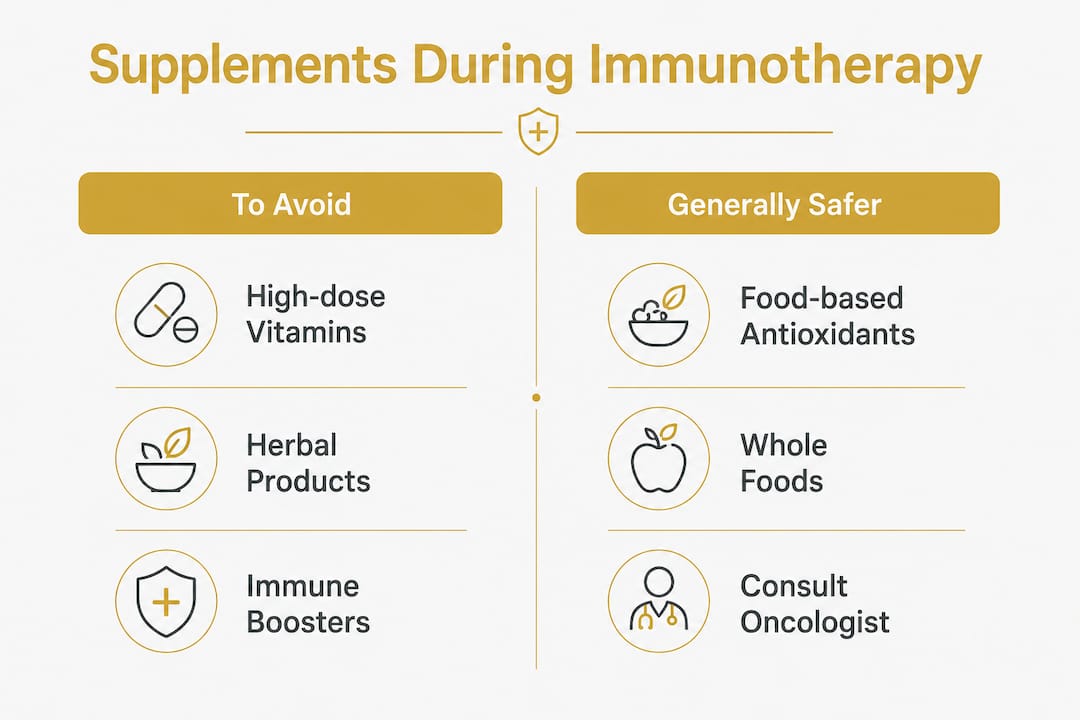
Supplements to avoid during immunotherapy are those that interfere with immune activation, raise the risk of serious side effects, or alter how your body processes cancer drugs. This includes high-dose antioxidants like Vitamin C and Vitamin E, herbal products such as St. John’s Wort and curcumin, and blood-thinning supplements like high-dose Omega-3 fatty acids. The stakes are real. Herbal products are used by a significant portion of cancer patients, yet most never tell their oncology team. That silence creates risk. We at the HCRF believe every patient deserves clear, honest information to protect their treatment and their life.
Which supplements interfere with immunotherapy?
High-dose antioxidant supplements are among the most commonly overlooked risks during cancer treatment. Vitamin E above 400 IU daily and Omega-3 fatty acids above 3g per day can increase bleeding risk, especially when combined with anticoagulants. Vitamin C and Zinc at high doses may blunt the very immune mechanisms that immunotherapy depends on. These are not fringe concerns. They are documented, clinically relevant interactions.
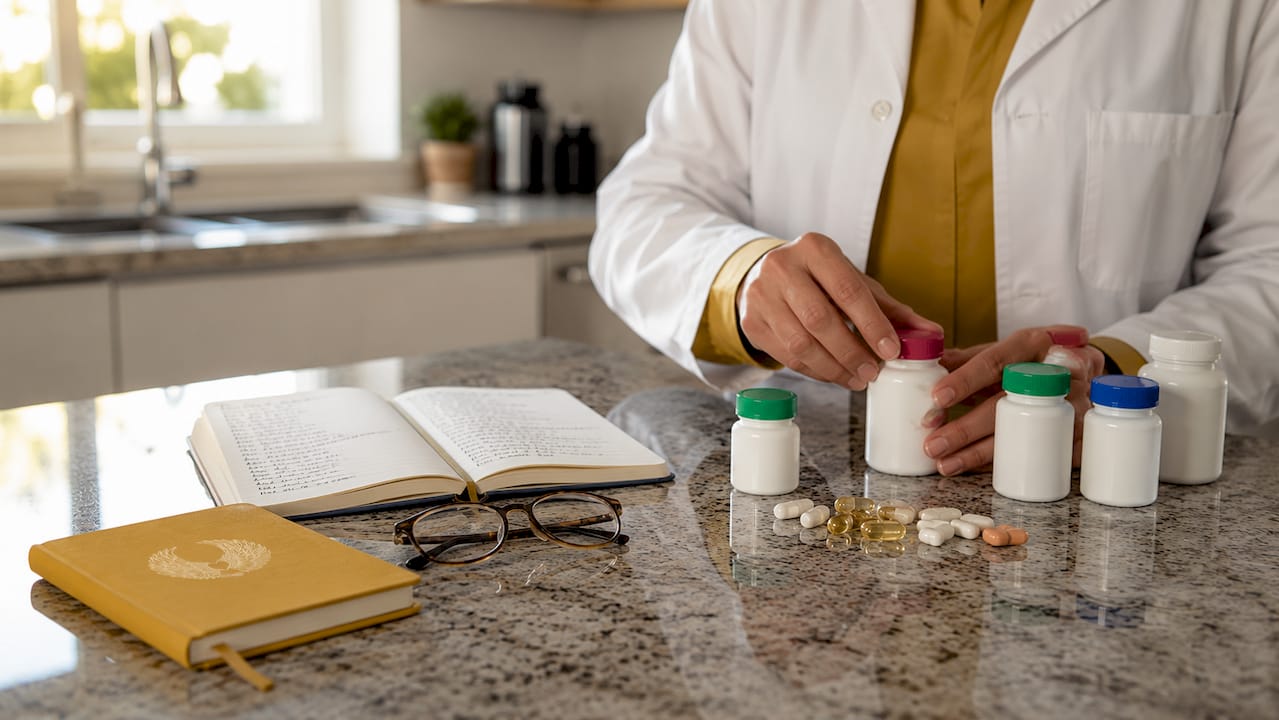
Herbal supplements carry their own serious risks. St. John’s Wort is a well-known inducer of liver enzymes that break down drugs too quickly, reducing their effectiveness. Garlic and ginseng affect blood clotting and drug metabolism in ways that are difficult to predict. Curcumin and medicinal mushrooms can act as immune modulators, which sounds appealing but can dampen the immune activation that immunotherapy is designed to stimulate.
Probiotics occupy a more complex space. A 2026 study showed tumor reduction improvement from 18% to 42% when specific probiotics were combined with immunotherapy. That result is promising, but it applies to specific strains under controlled conditions. General probiotic supplements from a health food store are not the same thing. Patients should not self-prescribe probiotics during active treatment without oncology guidance.
- High-dose Vitamin C, E, and Zinc: May reduce immunotherapy efficacy by neutralizing reactive oxygen species that treatment relies on.
- St. John’s Wort: Induces CYP3A4 enzymes, accelerating drug breakdown and lowering treatment drug levels.
- Garlic and ginseng supplements: Affect platelet function and drug metabolism unpredictably.
- High-dose Omega-3 fatty acids (above 3g/day): Increase bleeding risk, particularly with anticoagulants.
- Curcumin at high doses: A potent CYP3A4 inhibitor that can push immunosuppressant drug levels to toxic concentrations.
- Immune-boosting supplements: Products marketed as immune stimulants may overstimulate pathways that conflict with treatment.
Pro Tip: If a supplement label says “immune boosting,” treat that as a warning sign during immunotherapy, not a selling point. Bring it to your oncologist before opening the bottle.
How do supplement-drug interactions actually happen?
The liver enzyme system known as cytochrome P450, particularly the CYP3A4 pathway, metabolizes a large share of chemotherapy and immunotherapy drugs. When a supplement inhibits or induces this pathway, it changes how much active drug circulates in your blood. Curcumin is a potent CYP3A4 inhibitor that can push immunosuppressant drug levels to toxic concentrations. St. John’s Wort does the opposite, speeding up drug clearance until therapeutic levels drop too low to work.
The problem compounds because herbal supplements are not regulated like prescription drugs. Herbal product potency varies significantly between brands, and patients cannot be assured of consistent active ingredient dosing. Two bottles of the same herbal product from different manufacturers may contain wildly different concentrations of the active compound. That variability makes predicting interactions nearly impossible, even for experienced oncologists.
Experts at Memorial Sloan Kettering emphasize that “natural” herbal products are pharmacologically active and can significantly alter drug metabolism. The word “natural” does not mean safe. Arsenic is natural. The question is always whether a substance changes how your treatment works in your body.
| Supplement | Mechanism of risk | Clinical concern |
|---|---|---|
| St. John’s Wort | CYP3A4 inducer | Reduces drug blood levels |
| Curcumin (high dose) | CYP3A4 inhibitor | Toxic drug accumulation |
| High-dose Vitamin E | Antioxidant interference | Blunts immune activation |
| High-dose Omega-3 | Anticoagulant effect | Increased bleeding risk |
| Garlic supplements | Platelet inhibition | Bleeding and drug interaction |
Pro Tip: Ask your oncology pharmacist specifically about CYP3A4 interactions. They can cross-check every supplement you take against your current drug regimen in minutes.
How should patients manage supplements during treatment?
Open, complete disclosure is the single most protective step a patient can take. Bring a comprehensive list of all supplements, including brand names and exact dosages, to every oncology appointment. Oncology teams tailor management based on what patients are actually taking. A vague mention of “some vitamins” is not enough information for safe clinical decisions.
Timing also matters more than most patients realize. Concurrent supplement use during infusion days can mask or worsen immune-related adverse events. Spacing supplements away from treatment sessions reduces the window of interaction risk, though this is not a substitute for stopping high-risk supplements entirely.
Symptom monitoring is your early warning system. Here is a practical approach:
- Keep a daily symptom diary. Record fatigue, rash, joint pain, digestive changes, and any new symptoms. Early symptom reporting prevents immune toxicities from escalating across multiple organ systems.
- Note the date and dose of any supplement you take. If a reaction occurs, your care team can correlate it with what you consumed.
- Report changes within 24 hours. Immune-related adverse events can progress quickly. Do not wait for your next scheduled appointment.
- Do not start new supplements between appointments. Even products labeled as gentle or natural carry interaction risk during active treatment.
- Ask your care team about oncology social worker support. These professionals help patients navigate supplement decisions, insurance questions, and treatment-related stress with real expertise.
Lifestyle interventions like exercise, nutrition therapy, and sleep optimization carry stronger evidence for supporting immunotherapy patients than most supplements. Integrative oncology specialists consistently prioritize these approaches because they help without the interaction risk. A 30-minute walk and a full night of sleep do more for your immune resilience than most supplement regimens.
Pro Tip: Use a free notes app on your phone to log symptoms and supplements daily. A timestamped record is far more useful to your oncologist than trying to recall events from memory at your next visit.
What supplements are generally considered safer during treatment?
Food-based antioxidants are the clearest example of a safer approach. Nutrients from whole foods have different bioavailability and do not carry the same interaction risks as concentrated supplements. Eating blueberries, spinach, and walnuts delivers antioxidants in forms and amounts the body handles well. A high-dose Vitamin C capsule is a fundamentally different intervention.
Some micronutrients may be appropriate when a documented deficiency exists. Vitamin D at standard replacement doses, for example, is generally considered lower risk than megadose antioxidants, though patients should confirm this with their oncologist. Iron supplementation for documented anemia is another example where the clinical need outweighs the theoretical risk, under medical supervision.
Practitioners working in integrative oncology settings generally agree on a few principles for safer supplement use:
- Whole food sources first. A Mediterranean-style diet rich in vegetables, legumes, and lean protein supports immune health without drug interactions.
- Low-dose probiotics with caution. Specific strains under oncology guidance may offer benefit, but general probiotic products require approval first.
- Standard multivitamins at RDA levels. These typically do not reach the doses that cause interference, but confirmation from your care team is still required.
- Vitamin D and B12 at replacement doses. Acceptable when deficiency is confirmed by lab testing, not as a general precaution.
The guiding principle is simple. When in doubt, food over supplements, and always with your oncology team’s knowledge.
Key Takeaways
Supplements that interfere with immune activation or alter drug metabolism are the primary category to avoid during immunotherapy, and disclosure to your oncology team is the most protective step you can take.
| Point | Details |
|---|---|
| High-dose antioxidants are risky | Vitamin C, E, and Zinc at supplement doses may blunt immunotherapy’s immune activation. |
| Herbal products alter drug metabolism | St. John’s Wort and curcumin change CYP3A4 enzyme activity, raising or lowering drug levels dangerously. |
| Regulation gaps increase unpredictability | Herbal supplement potency varies by brand, making interaction risk impossible to predict without oncology review. |
| Disclosure protects your treatment | Bring a full supplement list with brands and doses to every oncology appointment. |
| Food beats supplements during treatment | Whole food antioxidants carry far lower interaction risk than concentrated supplement forms. |
What we have learned about “natural” and cancer treatment
We have seen this pattern more times than we can count. A patient, full of hope and determination, reaches for an herbal supplement because it feels like doing something. It feels proactive. It feels safe because the label says “natural.” We understand that impulse completely. When facing cancer, the desire to take control is powerful and deeply human.
But we have also seen what happens when a well-intentioned supplement quietly undermines a treatment that took months to plan and weeks to begin. The word “natural” carries no clinical weight. Pharmacologically active compounds do not become harmless because they grew in the ground. The same plant chemistry that makes an herb feel potent is exactly what makes it capable of altering how your body processes a cancer drug.
What we believe, after years of supporting patients and researchers at the Robert H. Lurie Comprehensive Cancer Center of Northwestern University, is this: the most powerful thing a patient can do is communicate fully and trust their oncology team with every detail. A comprehensive supplement list at every visit is not a formality. It is a clinical tool. Lifestyle changes, including movement, sleep, and whole food nutrition, carry real evidence behind them and zero interaction risk. They are not a consolation prize. They are the foundation.
We encourage every patient to be their own advocate, and that means asking hard questions, disclosing everything, and choosing evidence over hope when the two conflict.
— HCRF
HCRF’s commitment to patients navigating supplement safety
The Hippocratic Cancer Research Foundation exists because we believe every cancer patient deserves access to the best possible information and the most promising research. Supplement safety during immunotherapy is exactly the kind of question where clear, trustworthy guidance can protect a treatment plan and, ultimately, a life.
At HCRF, we support groundbreaking cancer research at the Robert H. Lurie Comprehensive Cancer Center of Northwestern University and work to make that knowledge accessible to patients and families who need it most. If you or someone you love is navigating immunotherapy and has questions about supplement safety, we are here. Visit the Hippocratic Cancer Research Foundation to learn more about our work, access patient education resources, and connect with a community that is fighting alongside you. You are not alone in this.
FAQ
What supplements should cancer patients avoid during immunotherapy?
Patients should avoid high-dose antioxidants like Vitamin C, Vitamin E, and Zinc, as well as herbal products including St. John’s Wort, curcumin, garlic, and ginseng. These supplements can interfere with drug metabolism or blunt the immune activation that immunotherapy depends on.
Can vitamins affect how well immunotherapy works?
Yes. High-dose vitamins, particularly Vitamin E above 400 IU daily, can interfere with immunotherapy mechanisms and increase bleeding risk when combined with anticoagulants. Food-based sources of the same nutrients carry far lower interaction risk.
Are probiotics safe to take during immunotherapy?
Probiotics require oncology approval before use during immunotherapy. Specific strains show promise in research settings, but general probiotic products from retail stores are not equivalent and may carry unpredictable risks during active treatment.
How should I tell my oncology team about supplements I take?
Bring a written list of every supplement, including brand name and exact dose, to every appointment. Oncology teams use this information to adjust management and catch potential interactions before they affect your treatment.
Is it safe to eat antioxidant-rich foods during immunotherapy?
Whole food sources of antioxidants are generally considered safe and are preferred over concentrated supplements. Nutrients from food have different bioavailability and do not carry the same interaction risks as high-dose supplement forms.
Recommended

Join us for a night filled with inspiration as Akis takes us on an emotional journey through his lyrical performances. This is an experience you won’t want to miss!
Read More →
October Giving Campaign Going On Now! Make a Difference with Every Dollar: Support Cancer Research and Enjoy a Kanela Gift Card!
Read More →