What Causes Cancer: Key Factors and Prevention
July 12, 2026
What Causes Cancer: Key Factors and Prevention
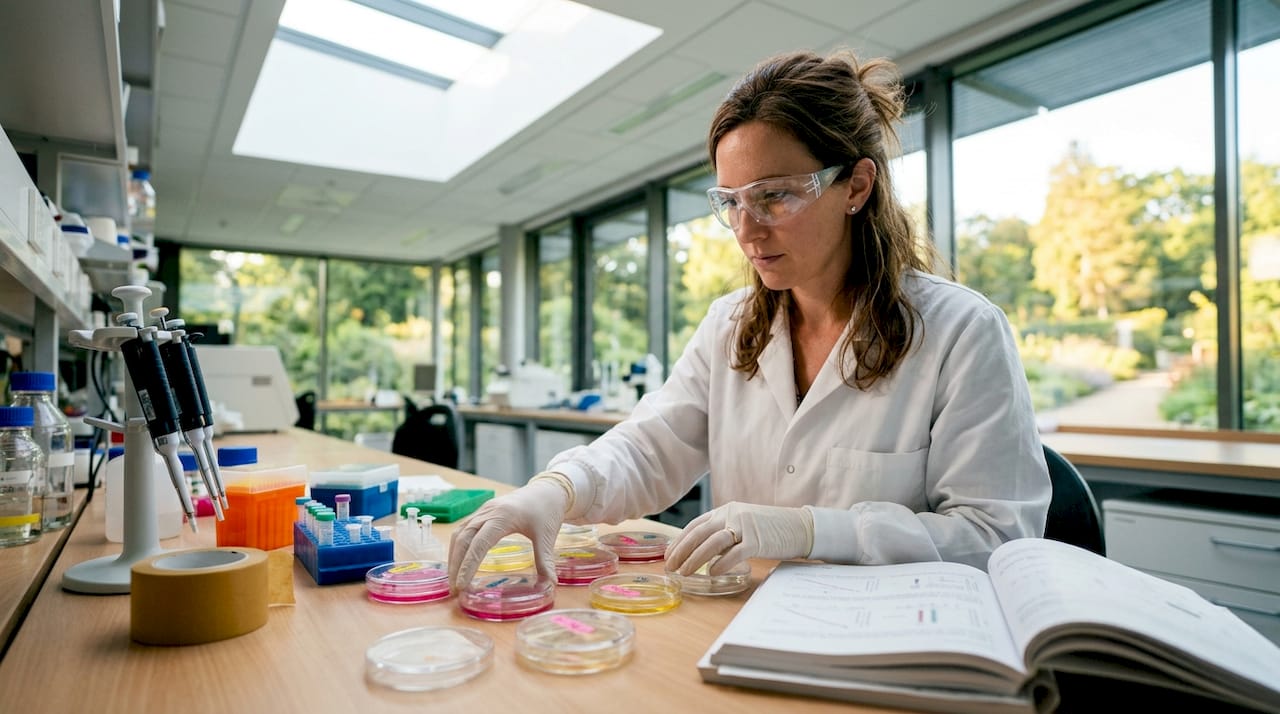
Cancer is a genetic disease caused by mutations in the DNA of cells that disrupt normal growth and division control. These mutations allow cells to multiply without stopping, forming tumors or spreading through the bloodstream. 40% of cancer cases worldwide link to modifiable risk factors, including smoking, infections, and alcohol. That number means nearly half of all new diagnoses could be influenced by choices we make every day. Understanding what causes cancer, from inherited gene changes to environmental exposures, is the first step toward protecting yourself and the people you love.
What causes cancer at the cellular level?
Cancer begins when a cell’s DNA accumulates enough mutations to break the normal rules of growth. Healthy cells divide, do their job, and die on schedule. Mutated cells ignore those signals entirely.
Three gene types govern this process. Oncogenes act like an accelerator pedal for cell growth. When mutated, they get stuck in the “on” position, pushing cells to divide without stopping. Tumor suppressor genes act as the brakes. When they are damaged or silenced, nothing slows the runaway growth. DNA repair genes are the mechanics of the cell. They fix copying errors during division. When they fail, mutations accumulate faster than the body can correct them.
Inherited mutations account for only 10–15% of all cancers. That figure surprises most people who assume cancer runs in families. The truth is that the vast majority of cancers arise from mutations acquired during a person’s lifetime, driven by exposures, aging, and chance errors during cell division.
- Oncogenes: Mutated versions of normal growth genes that push cells to divide uncontrollably.
- Tumor suppressor genes: Genes like TP53 and BRCA1 that normally halt damaged cells. When both copies are damaged, the brakes fail.
- DNA repair genes: Genes that catch and fix replication errors. Their failure accelerates mutation buildup.
- Inherited vs. acquired mutations: Inherited mutations are present in every cell from birth. Acquired mutations develop over time from exposures, lifestyle, and aging.
Pro Tip: If a close relative received a cancer diagnosis before age 50, ask your doctor about genetic counseling. Knowing your inherited risk lets you schedule earlier screenings and take targeted preventive steps.
What lifestyle and behavioral factors contribute to cancer risk?
Lifestyle choices are the most powerful levers people have for reducing their cancer risk. The evidence is not subtle.
-
Tobacco use. Tobacco causes about 90% of lung cancers and raises risk for at least a dozen other cancer types. It is the single largest preventable cause of cancer worldwide. Every cigarette delivers dozens of known carcinogens directly to lung tissue, the mouth, the throat, and the bladder.
-
Alcohol consumption. Alcohol is the third leading preventable cause of cancer in the United States, linked to at least seven cancer types including breast, liver, colon, and esophageal cancers. Risk rises with the amount consumed, and there is no established “safe” threshold.
-
Diet and processed foods. Diets high in processed meats and red meat consistently associate with higher colorectal cancer risk. Conversely, diets rich in vegetables, whole grains, and fiber correlate with lower risk across multiple cancer types.
-
Physical inactivity and obesity. Obesity increases risk for multiple cancers because excess fat cells produce estrogen and insulin, both of which can fuel tumor growth. Regular physical activity reduces circulating hormones and inflammation, directly lowering cancer risk.
-
Ultraviolet radiation. UV exposure from sunlight and tanning beds is a direct carcinogen. It damages the DNA in skin cells, leading to melanoma and other skin cancers. UV radiation is one of the most avoidable carcinogens in daily life.
The cumulative effect matters enormously. Quitting tobacco, limiting alcohol, maintaining a healthy weight, and protecting your skin together reduce cancer risk far more than any single change alone.
Pro Tip: You do not need to overhaul your entire life at once. Research consistently shows that even partial reductions in risk factors, like cutting alcohol by half or adding 30 minutes of walking daily, produce measurable health benefits over time.
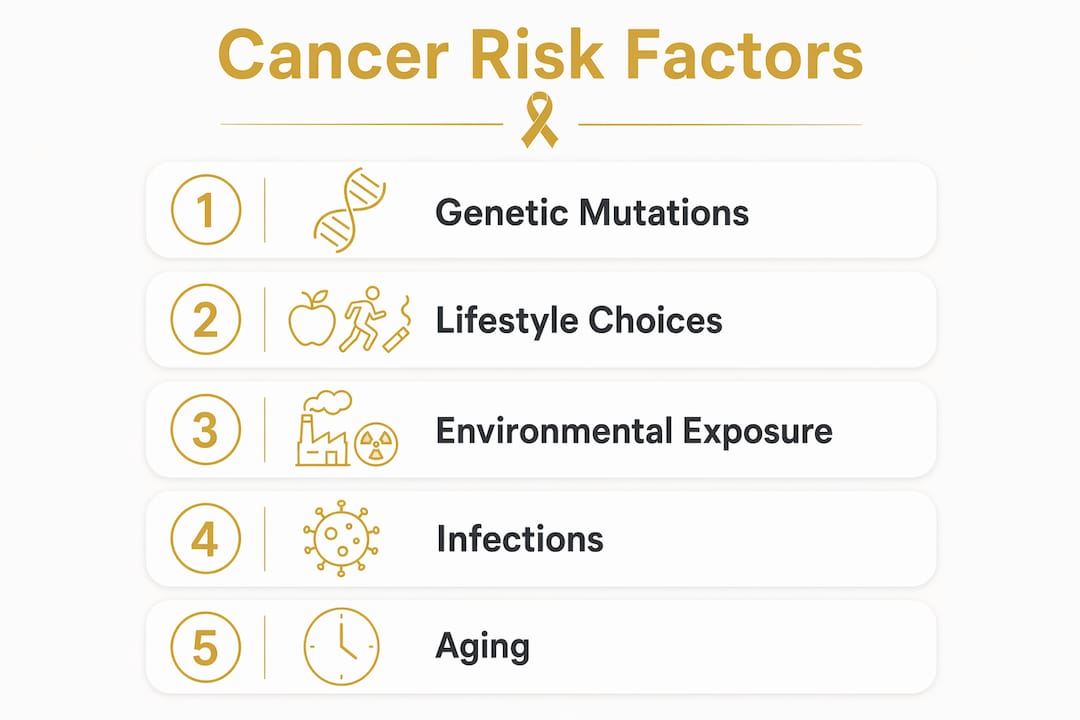
What environmental and biological exposures increase cancer risk?
Beyond personal choices, the world around us carries its own set of cancer triggers. These fall into three broad categories: physical agents, chemical carcinogens, and biological causes.
Physical and chemical carcinogens
Ultraviolet radiation, asbestos, radon, air pollution, and occupational toxins are all classified as environmental carcinogens. Asbestos fibers lodge in lung tissue and cause mesothelioma decades after exposure. Radon gas, which seeps into homes from soil, is the second leading cause of lung cancer in the United States. Air pollution, particularly fine particulate matter from vehicle exhaust and industrial emissions, damages lung tissue with every breath.
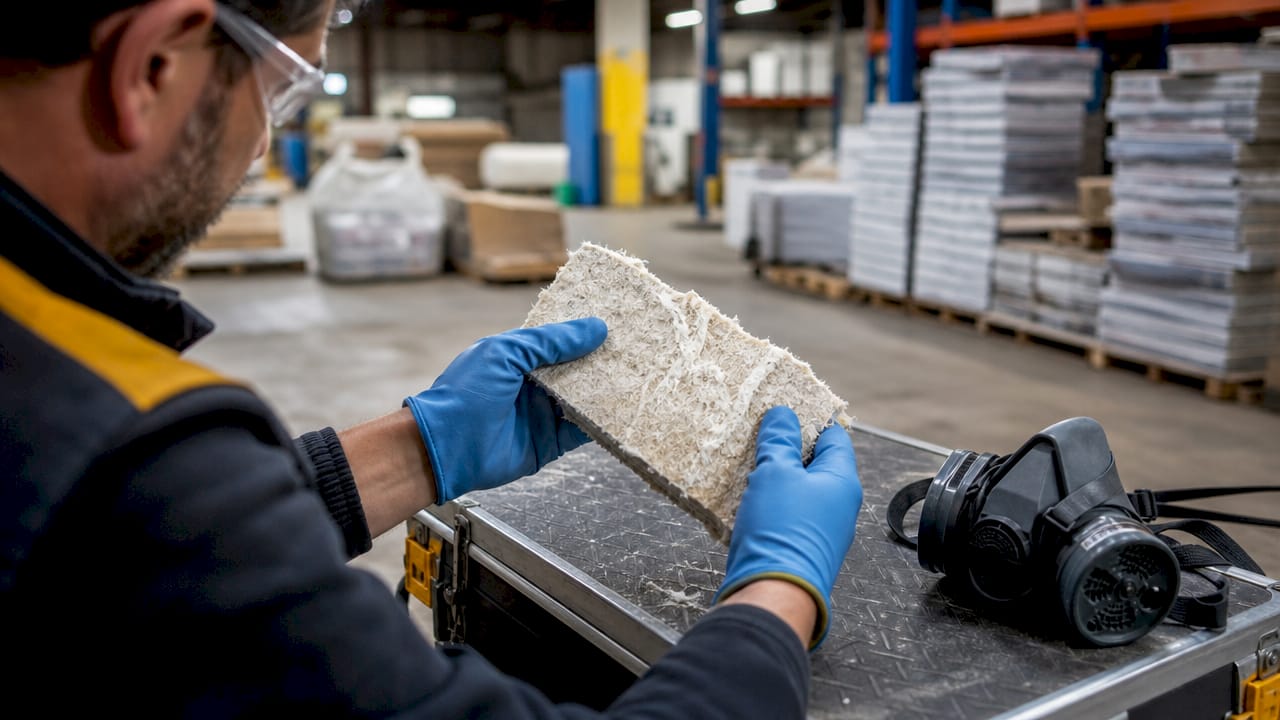
The International Agency for Research on Cancer (IARC) and the National Toxicology Program classify carcinogens as known, probable, or possible based on the strength of available evidence. That classification system guides both public health policy and personal decisions about exposure.
Infections that cause cancer
Infections contribute to about 10% of cancer cases globally. That proportion is higher in low- and middle-income countries where vaccination and treatment access remain limited.
| Infection | Cancer type linked | Prevention available |
|---|---|---|
| Human papillomavirus (HPV) | Cervical, throat, anal cancers | HPV vaccine |
| Hepatitis B and C | Liver cancer | Hepatitis B vaccine; antiviral treatment for C |
| Helicobacter pylori | Stomach cancer | Antibiotic treatment |
| Epstein-Barr virus (EBV) | Lymphoma, nasopharyngeal cancer | No vaccine currently available |
Infections cause cancer by damaging DNA directly or by triggering chronic inflammation that creates a fertile environment for tumor growth. Chronic inflammation is a shared mechanism between biological and lifestyle causes, which is why it appears repeatedly across cancer research.
- Dose and duration matter. A single brief exposure to a carcinogen rarely causes cancer. Risk builds with repeated or prolonged contact, which is why occupational exposures over decades are so dangerous.
- Individual susceptibility varies. Genetic differences in how people metabolize carcinogens mean two people with identical exposures can face very different risks.
How does aging influence cancer risk and development?
Age is the single strongest risk factor for cancer. The majority of cancers are diagnosed in people 65 or older, and the reason is biological, not coincidental.
Cancer risk increases with age because DNA damage accumulates over decades. Every time a cell divides, there is a small chance of a copying error. Over 60 or 70 years of continuous cell division across trillions of cells, the odds of a critical mutation occurring rise substantially. The immune system also weakens with age, reducing its ability to detect and destroy abnormal cells before they multiply. Chronic low-grade inflammation, which becomes more common in older adults, further promotes the conditions in which tumors develop.
This does not mean cancer is inevitable as we age. It means the window for prevention is long, and the choices made in your 30s, 40s, and 50s directly shape your risk in your 60s and beyond. Aging is not randomness. It is accumulation. And accumulation can be slowed.
Pro Tip: Adults over 45 should discuss age-appropriate cancer screenings with their doctor, including colonoscopy, mammography, and lung cancer CT scans for long-term smokers. Early detection at the pre-cancerous stage is when intervention is most effective.
What practical steps can individuals take to reduce their cancer risk?
Many cancers can be prevented or their risk substantially reduced through a combination of lifestyle changes, vaccinations, and informed avoidance of known carcinogens. Prevention is not about perfection. It is about consistent, informed choices.
- Quit tobacco. No single action reduces cancer risk more dramatically. Resources like nicotine replacement therapy and prescription medications make quitting more achievable than willpower alone.
- Limit alcohol. Reducing consumption lowers risk for breast, liver, and colon cancers. The less you drink, the lower your risk.
- Eat a plant-forward diet. Prioritize vegetables, legumes, whole grains, and fruits. Limit processed meats and red meat to occasional consumption.
- Move your body. Aim for at least 150 minutes of moderate activity per week. Physical activity reduces circulating estrogen, insulin, and inflammatory markers.
- Protect your skin. Use SPF 30 or higher sunscreen daily, wear protective clothing, and avoid tanning beds entirely.
- Get vaccinated. The HPV vaccine prevents the infections responsible for cervical and several other cancers. The hepatitis B vaccine prevents a leading cause of liver cancer.
- Know your family history. Share it with your doctor. A strong family history of certain cancers may qualify you for earlier or more frequent screenings.
- Schedule regular screenings. Colorectal, breast, cervical, and lung cancer screenings catch disease at its most treatable stage.
Pro Tip: Talk to your doctor about your personal risk profile before age 40. Many screening guidelines now recommend earlier starts for people with family histories or specific risk factors. Waiting for symptoms is waiting too long.
Key Takeaways
Cancer risk is shaped by a combination of genetic, lifestyle, environmental, and age-related factors, and nearly half of all cases link to modifiable causes that individuals can actively address.
| Point | Details |
|---|---|
| Mutations drive cancer | Oncogenes, tumor suppressors, and DNA repair gene failures combine to trigger uncontrolled cell growth. |
| Most cancer is not inherited | Only 10–15% of cancers stem from inherited mutations; the rest develop from acquired changes over a lifetime. |
| Tobacco is the top preventable cause | Tobacco accounts for about 90% of lung cancers and is the leading modifiable cancer risk worldwide. |
| Infections cause 10% of cases | HPV, hepatitis B and C, and H. pylori drive a significant share of global cancer burden, especially where vaccines are unavailable. |
| Age accelerates risk | Decades of DNA damage accumulation and immune decline make cancer far more common after age 65. |
Our perspective on understanding cancer causes
We at Hcrfwingstocure have sat with this question for a long time. What causes cancer? And more importantly, what do we do with that knowledge?
The most common misconception we encounter is that cancer is purely a matter of bad luck. That framing is both partially true and deeply disempowering. Yes, some mutations occur by chance. But the science is clear that lifestyle and environment shape a huge portion of cancer risk. Treating cancer as random removes the agency that people genuinely have.
We also see people swing to the opposite extreme, believing that a perfect diet or a specific supplement will guarantee protection. That is equally misleading. Cancer is a complex, multi-step process. No single behavior causes it, and no single behavior prevents it. What matters is the cumulative weight of your choices over decades.
What gives us hope is this: the science of prevention has never been stronger. We know more about carcinogens, about the role of inflammation, about the power of early detection than any previous generation. That knowledge is not just academic. It is a tool. And tools are meant to be used.
The work Hcrfwingstocure supports at the Robert H. Lurie Comprehensive Cancer Center of Northwestern University is built on exactly this belief. Research that challenges assumptions, that looks where others have not looked, that carries hope forward. We believe that understanding cancer causes is not just reassuring. It is the foundation of everything that comes next.
— HCRF
Hcrfwingstocure: supporting the research that changes everything
Cancer research does not stand still, and neither do we.
Hcrfwingstocure is a 501©(3) nonprofit that funds bold, unconventional cancer research at the Robert H. Lurie Comprehensive Cancer Center of Northwestern University. We support the scientists who ask the questions others overlook, the ones whose work on cancer causes and prevention could change what a diagnosis means for millions of people. Every dollar we raise goes directly toward research that matters. If this article moved you, if you believe that knowledge and science are our greatest weapons against cancer, we invite you to stand with us. Visit Hcrfwingstocure to learn more about our mission, our researchers, and how you can be part of the fight.
FAQ
What causes cancer in simple terms?
Cancer is caused by mutations in a cell’s DNA that allow it to grow and divide without stopping. These mutations can result from lifestyle factors, environmental exposures, infections, aging, or inherited gene changes.
Are most cancers caused by genetics?
No. Only 10–15% of cancers are linked to inherited gene mutations. The majority develop from acquired mutations caused by tobacco, alcohol, UV exposure, infections, and other modifiable factors over a person’s lifetime.
What is the most preventable cause of cancer?
Tobacco use is the most preventable cause of cancer worldwide, responsible for about 90% of lung cancer cases and significantly raising risk for many other cancer types.
How do infections lead to cancer?
Infections like HPV, hepatitis B and C, and H. pylori cause cancer by damaging DNA directly or by triggering chronic inflammation that promotes tumor development. Vaccines against HPV and hepatitis B are among the most effective cancer prevention tools available.
Does aging cause cancer?
Aging is the strongest single risk factor for cancer. Decades of accumulated DNA damage, combined with a weakening immune system and rising chronic inflammation, make cancer significantly more common in people over 65.
Recommended
Research-facing survey of AI in cancer research. See which applications already work, which barriers block clinical use, and where researchers and funders...
Read More →