


Why Are Some Cancers More Common Than Others?
July 21, 2026
Why Are Some Cancers More Common Than Others?

Why certain cancers occur more than others: the core reasons
Cancer does not strike all tissues equally. Lung, breast, colon, and prostate cancers together account for the largest share of new diagnoses worldwide, while cancers of the heart or small intestine remain rare. That gap is not random. It reflects a layered interplay of biology, environment, genetics, and evolution.
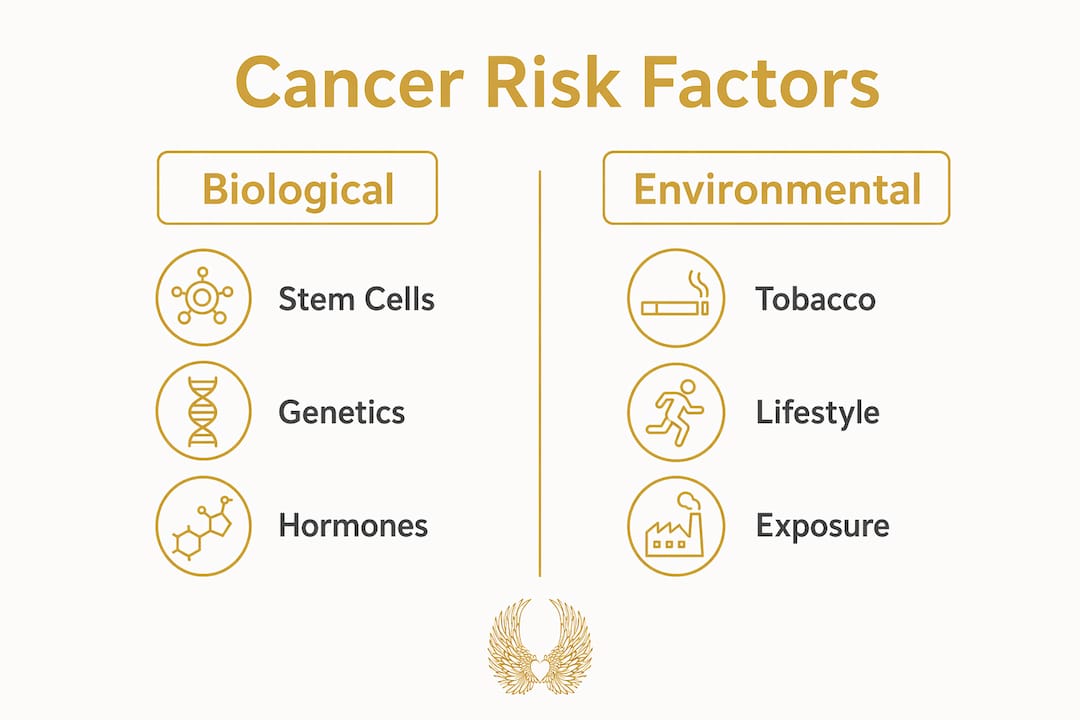
The clearest answer comes from three converging forces:
- Stem cell division rates: Tissues that renew themselves constantly accumulate DNA copying errors faster than tissues that rarely divide.
- Environmental and lifestyle exposures: Tobacco, chronic infections, obesity, and alcohol push mutation rates higher in specific organs.
- Genetic and evolutionary pressures: Inherited mutations, acquired DNA damage, and millions of years of natural selection all shape which organs carry stronger or weaker defenses.
Cancer accounts for nearly 10 million deaths globally in 2024, roughly one in six deaths worldwide. Understanding why prevalence varies so sharply across cancer types is the first step toward prevention, early detection, and the kind of targeted research that saves lives.
How stem cell division rates drive cancer risk across tissues
The single strongest biological predictor of cancer risk in a given tissue is how often its stem cells divide. Every time a cell copies its DNA, there is a small chance of a replication error. More divisions mean more chances for a mutation to slip through.
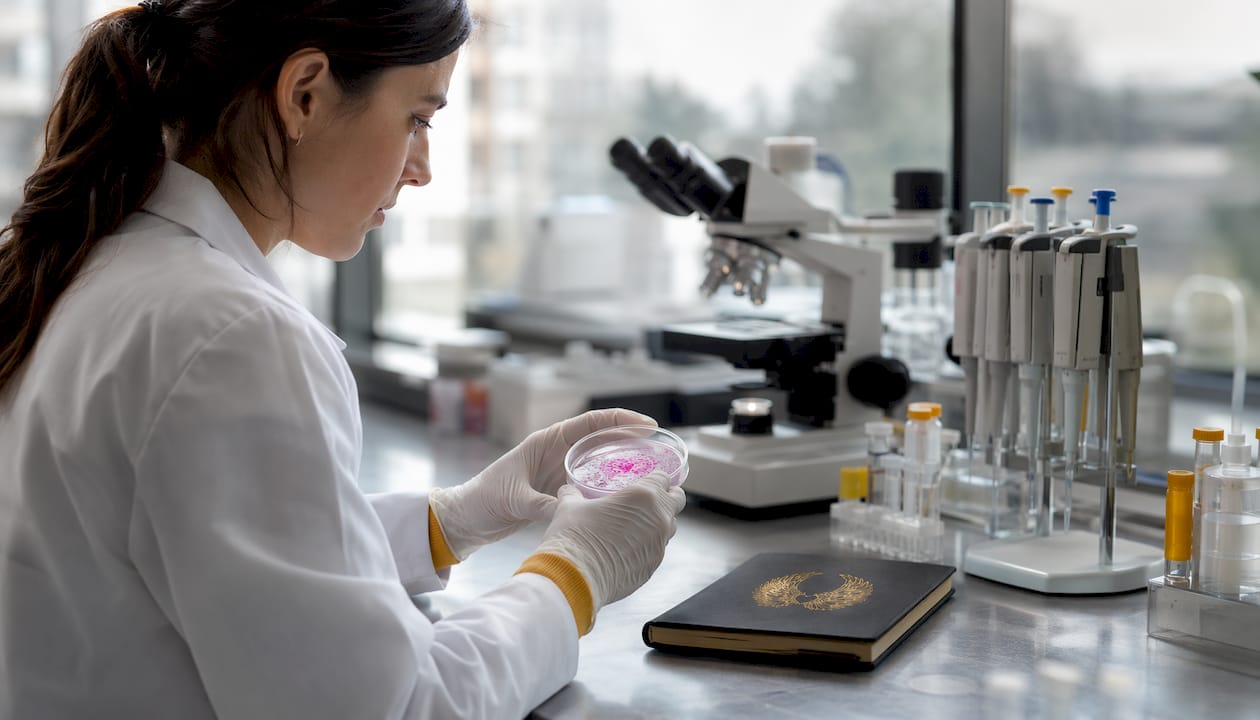
A landmark study published in Science found a correlation of 0.81 between the lifetime number of stem cell divisions in a tissue and that tissue’s lifetime cancer risk. Colon cells divide frequently to replace the intestinal lining; colon cancer is among the most common cancers globally. Skin cells turn over rapidly under UV exposure. Blood-forming cells in the bone marrow divide constantly, making leukemia one of the more prevalent blood cancers.
Heart muscle cells and most neurons, by contrast, rarely divide after birth. Heart cancer is extraordinarily rare. This is not coincidence. It is biology.
| Tissue | Stem cell division frequency | Relative cancer incidence |
|---|---|---|
| Colon epithelium | Very high (constant renewal) | High |
| Bone marrow (blood cells) | Very high | High |
| Skin (basal layer) | High | High |
| Lung epithelium | Moderate to high | High |
| Heart muscle | Very low | Very low |
| Brain neurons | Very low | Low |
Pro Tip: Random replication errors, sometimes called “bad luck” mutations, explain why cancer can develop even in people with healthy lifestyles and no family history. This is why ongoing research into DNA repair mechanisms is so critical.
Environmental and lifestyle factors that shape common cancer types
Biology sets the stage, but environment often pulls the trigger. Approximately 37.8% of new cancer cases globally in 2022 are attributable to 30 modifiable risk factors. Tobacco smoking alone accounts for a significant portion of those cases.
The major modifiable contributors include:
- Tobacco: The leading cause of lung cancer and a driver of bladder, kidney, and oral cancers.
- Chronic infections: HPV causes cervical cancer; hepatitis B and C drive liver cancer. Infections explain roughly 12% of global cancer cases, with the burden reaching one in four cases in Sub-Saharan Africa versus far fewer in high-income countries.
- Obesity and diet: Excess body weight raises risk for breast, colon, endometrial, and esophageal cancers.
- Alcohol consumption: Linked to cancers of the liver, mouth, throat, and breast.
- Physical inactivity and air pollution: Both independently raise cancer risk, particularly for lung and colon cancers.
44% of cancer deaths are attributed to modifiable risks, with tobacco remaining the most significant single factor. That figure carries real weight. It means nearly half of cancer deaths are, at least in principle, preventable. Emerging research on metabolic health, including GLP-1 receptor pathways, is opening new doors in understanding how obesity-related biology intersects with cancer risk.
Inherited vs. acquired genetic mutations: how each shapes your risk
Not all mutations arrive the same way. Understanding the difference between inherited and acquired mutations clarifies why cancer runs in some families and surprises others.
- Inherited mutations are present in every cell from birth, passed down through family lines. BRCA1 and BRCA2 mutations, for example, substantially raise lifetime risk for breast and ovarian cancers.
- Acquired mutations develop during a person’s lifetime through DNA replication errors, environmental damage (UV radiation, carcinogens), or chronic inflammation.
- Most cancers result from a combination: an inherited predisposition lowers the threshold, and acquired mutations accumulate over time until a cell crosses into malignancy.
- Inherited mutations explain familial cancer clustering, but they account for a minority of all cancer cases. The majority arise from acquired mutations.
A detailed breakdown of how these mutation mechanisms interact is one of the most active areas of cancer biology today. Aging amplifies acquired mutation risk because DNA repair mechanisms become less efficient over decades, and cumulative exposure to carcinogens grows with every passing year.
Pro Tip: If multiple first-degree relatives have had the same type of cancer, genetic counseling and targeted screening can identify inherited mutations early, often before symptoms appear.
How evolutionary biology explains organ-specific cancer vulnerability
Natural selection has been shaping cancer risk for millions of years, and its fingerprints are visible in cancer incidence data today.
Organs essential for survival and reproduction, such as the heart and brain, evolved stronger cellular repair and tumor-suppression mechanisms. Paired or redundant organs, like the kidneys, received comparatively less evolutionary pressure to resist cancer. Research published in Evolutionary Applications found a strong inverse correlation between a population’s opportunity for natural selection and its cancer incidence rates.
Modern medicine has also changed the equation. Over the past 150 years, reduced mortality and lower fertility rates have relaxed natural selection in human populations. Cancer-promoting genes that once would have been eliminated now persist and accumulate across generations. This is one reason cancer incidence continues rising globally even as treatments improve.
- Organs with low regenerative capacity evolved stronger anti-cancer defenses.
- Relaxed selection in modern societies allows cancer-associated alleles to persist.
- Organ size, redundancy, and reproductive function all influence evolutionary protection levels.
How the tissue microenvironment and immune system affect cancer susceptibility
A cell does not become cancerous in isolation. The tissue surrounding it, its microenvironment, plays an active role in either suppressing or enabling tumor growth.
Chronic inflammation is one of the most powerful pro-cancer signals a microenvironment can send. Tissues under persistent inflammatory stress, such as a colon with long-standing inflammatory bowel disease or a liver chronically infected with hepatitis B, create conditions where mutated cells are more likely to survive and proliferate. The immune system normally patrols for and destroys aberrant cells, but tumors evolve mechanisms to evade immune detection. Immunosuppressive signals within the tumor microenvironment can essentially “turn off” the immune response locally.
This is why the same mutation can lead to cancer in one person and remain dormant in another. The microenvironment, shaped by diet, infection, inflammation, and immune health, determines whether a mutated cell gets the green light to grow.
Why screening practices affect how often cancers are diagnosed
Some cancers appear more common partly because we look for them more aggressively. Prostate cancer incidence, for example, rose sharply after prostate-specific antigen (PSA) screening became widespread, not because the cancer suddenly became more common, but because more cases were found earlier.
Breast cancer follows a similar pattern. Countries with organized mammography programs report higher incidence rates than countries without them, even when underlying biological risk is comparable. Colorectal cancer screening via colonoscopy detects polyps before they become malignant, which both reduces incidence and catches early-stage cancers that would otherwise go undetected for years.
The inverse is also true. Cancers with no established screening protocol, such as pancreatic or ovarian cancer, are often diagnosed at late stages, making them appear less common in incidence data while carrying disproportionately high mortality. Awareness campaigns tied to cancer awareness initiatives directly influence how many people seek screening and how early cancers are caught.
How hormones and gender differences influence cancer frequency
Sex is one of the most consistent factors influencing cancer rates, and hormones explain much of that gap. Breast cancer is predominantly a female disease because estrogen and progesterone drive cell proliferation in breast tissue, creating more opportunities for mutations to accumulate. Prostate cancer, by definition, affects only men, driven by androgen signaling.
Sex differences in cancer incidence also reflect occupational exposures, lifestyle patterns, and immune function differences. Men have higher rates of bladder cancer, partly due to historically greater occupational exposure to carcinogens and higher smoking rates. The global age-standardized incidence rate is higher in women than men, yet the age-standardized death rate is higher in men, reflecting both biology and differences in cancer types diagnosed.
Hormonal therapies, reproductive history, and age at first menstruation all modulate breast and gynecologic cancer risk. These are not abstract statistics. They are levers on which prevention strategies can act.
How socioeconomic factors and healthcare access shape cancer diagnosis rates
Where you live and what resources you can access profoundly shape both your cancer risk and whether it gets diagnosed in time. Low-income populations face higher exposure to occupational carcinogens, food environments that promote obesity, and limited access to screening programs. The result is a double burden: higher risk and later-stage diagnosis.
The five-year survival rate for breast cancer exceeds 90% in North America and Japan but falls below 40% in some African countries, a gap driven largely by access to mammography, early treatment, and supportive care. Infection-driven cancers, such as cervical cancer caused by HPV, remain far more common in low-income countries where vaccination and screening programs are less available.
Socioeconomic disparities also affect who participates in clinical trials and who benefits from new therapies. Closing that gap is not just a matter of fairness. It is a public health imperative that directly affects global cancer mortality rates.
Key Takeaways
Cancer prevalence varies because biology, environment, genetics, and evolutionary history each push mutation risk higher in some tissues than others.
| Point | Details |
|---|---|
| Stem cell divisions drive risk | A correlation of 0.81 links lifetime stem cell divisions in a tissue to its cancer risk. |
| Modifiable factors are powerful | 37.8% of new cancer cases in 2022 are linked to modifiable risks, with tobacco as the leading cause. 44% of cancer deaths are also attributed to these modifiable risks. |
| Inherited vs. acquired mutations | Most cancers arise from acquired mutations, but inherited predispositions lower the threshold. |
| Evolution shaped organ defenses | Vital organs evolved stronger anti-cancer protection; relaxed natural selection now allows cancer genes to accumulate. |
| Screening changes incidence data | Cancers with active screening programs appear more common because more cases are found earlier. |
The HCRF perspective: why this research fills us with hope and urgency
Cancer’s complexity can feel overwhelming. But we at the Hippocratic Cancer Research Foundation see something else in this science: a map. Every factor we understand, whether it is a stem cell division rate, a modifiable lifestyle risk, or an evolutionary vulnerability, is a point where intervention becomes possible.
The research supported at the Robert H. Lurie Comprehensive Cancer Center of Northwestern University is built on exactly this kind of multifactorial thinking. We do not believe in single-cause explanations for cancer, and we do not fund single-track solutions. The science demands more. Our patients deserve more.
What moves us most is this: 44% of cancer deaths are tied to factors we can change. That is not a discouraging statistic. That is a call to action. Every dollar directed toward prevention research, every person who learns their family mutation history, every community that gains access to screening, moves us closer to a world where cancer’s grip loosens.
We carry this mission with love, with urgency, and with the unwavering belief that science and compassion together can change what cancer means for the next generation. Join us. Support the mission and help carry that light forward.

Recommended
- Hippocratic Cancer Research Foundation: Innovative Therapies | What Causes Cancer: Key Factors and Prevention
- Hippocratic Cancer Research Foundation: Innovative Therapies | Cancer Awareness Month Calendar: 2026 Complete Guide
- Hippocratic Cancer Research Foundation: Innovative Therapies | Cancer Research Funding: A 2026 Donor’s Guide
- Hippocratic Cancer Research Foundation: Innovative Therapies | Signs of Appendix Cancer: What You Need to Know

Learn how to make anonymous charitable gifts without losing tax benefits. Practical, tax aware steps, DAF options, required documentation, and HCRF's...
Read More →
Step by step actions to support cancer research: give, join studies, or volunteer. Also a concise charity vetting checklist and HCRF paths.
Read More →